Loading...
Serving West Palm Beach, FL and surrounding areas. (561) 954-1833
WPB West Palm Beach Sunrooms builds patio enclosures, screen rooms, and sunroom additions for Palm Springs homeowners - every project permitted through the Village of Palm Springs and built to current Florida Building Code. We have worked on the concrete block ranch homes throughout this village and know what the afternoon summer storms and year-round humidity do to outdoor spaces here.
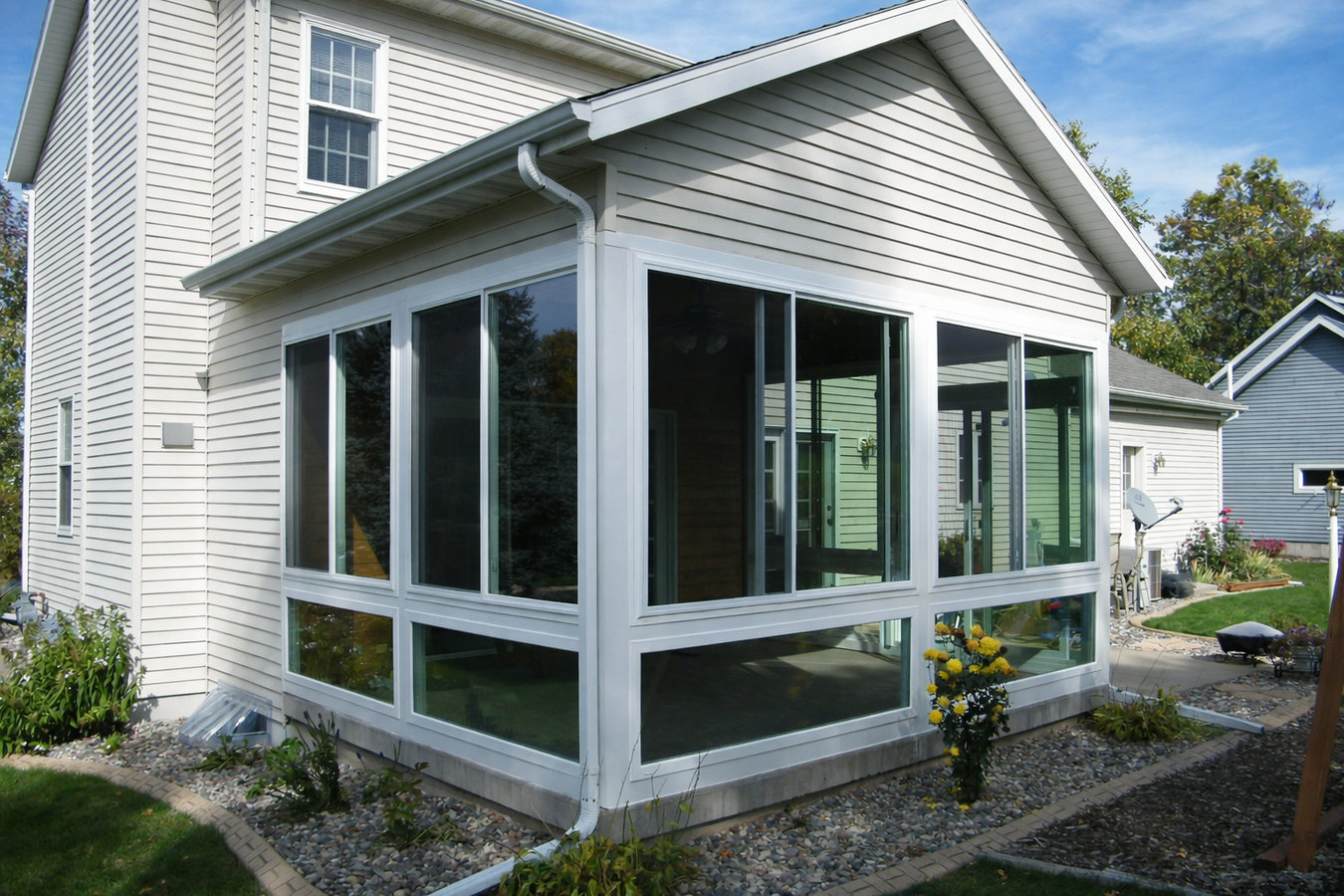
Palm Springs gets hammered with rain almost every afternoon from June through September, and an open patio becomes unusable for half the year. A patio enclosure keeps the weather out while keeping the open feel, and it is one of the most cost-effective ways to expand your living space on the flat, modest-sized lots that are common throughout this village.
Mosquito pressure in Palm Springs is at its worst during the wet season, roughly June through October. A screened enclosure lets air move freely while keeping bugs out - it is the right first step for many Palm Springs homeowners because it costs less than a solid room, permitting is straightforward, and construction is typically faster.
The ranch-style homes that make up most of Palm Springs were built for a different era - smaller rooms, less storage, and fewer gathering spaces than modern buyers want. A sunroom addition built on a new footing creates finished square footage that works year-round, particularly when the existing patio slab is cracked or too far out of level to build on top of.
Many Palm Springs homes have a concrete patio slab that sits mostly unused because of the heat and bugs. If the slab is in sound condition, we can enclose it with insulated walls, windows, and a proper roof system - transforming wasted space into a room the household actually uses without the cost of pouring a new foundation.
Building new on an older Palm Springs home means tying a new structure into concrete block walls that may have minor cracks, old stucco coatings, or original window openings that need reconfiguring. We assess the attachment points before framing begins - the 1960s and 1970s construction standard that built this village does not automatically satisfy today's Florida Building Code wind-load specs.
Vinyl framing holds up well against the humidity and UV exposure that degrade wood and less-protected aluminum in South Florida's climate. For Palm Springs homeowners who want a low-maintenance enclosure on a moderate budget, vinyl is worth considering - it does not rust, rot, or need repainting after a few seasons in the Florida sun.
The bulk of Palm Springs' housing stock was built between the 1950s and the 1980s - making the average home here 40 to 70 years old. At that age, the concrete block walls, original stucco coatings, and any patio work that came with the house is well past its designed lifespan. Stucco that has been cracking for years lets moisture into the wall cavity, and a sunroom attached to a compromised wall will develop water problems behind the new framing if nobody addressed the existing stucco before building. We look at the wall condition on every site visit - not just the space where the new room will go.
The terrain here is also a factor. Palm Springs is built on the same flat, sandy landscape that covers most of inland Palm Beach County, and the water table is relatively high. Patios that were poured without proper drainage planning develop voids beneath them as sandy soil washes away during the summer rain season. A slab with a void underneath it will crack and tilt. Before we build any enclosure, we assess the slab for settlement, drainage slope, and structural soundness - because building a new room on a compromised foundation is how projects look fine for two years and fail in the third.
Our crew works throughout Palm Springs regularly, and we understand the local conditions that affect sunroom contractor work here. We pull permits through the Village of Palm Springs Building Department - an incorporated village with its own permitting office, entirely separate from Palm Beach County - and we know the review timelines and inspection sequence that apply to enclosed additions in this municipality.
South Military Trail is the main commercial artery through Palm Springs, and most of the village's residential streets run east and west off that corridor. Homes here are predominantly single-story concrete block ranches on modest lots, many with carports that have been converted to screen rooms or informal enclosures over the decades - often without permits. When homeowners want to formalize or replace those conversions, we assess what was done before and make sure the new work is up to code.
We serve both Lake Worth Beach to the south and West Palm Beach to the north. If your home is anywhere along the South Military Trail corridor or in a neighborhood between those two cities, we respond within one business day.
We respond to all Palm Springs inquiries within one business day. You will talk with someone who knows this village - not a call center - and we will set up a site visit at a time that works for your schedule.
We visit the property, assess the slab or yard space, check the existing wall condition, and talk through what you want the finished space to do. We also explain what the permit process looks like through the Village of Palm Springs so you know the timeline before we start.
We submit the permit application to the Village of Palm Springs and order materials once it is approved. Our crew builds on a schedule we set with you upfront - no disappearing mid-project.
We schedule the final inspection with the village building department and walk you through the completed space before we consider the job done. You receive copies of the permit and inspection records for your files.
We serve Palm Springs and all surrounding areas. No sales pressure - just a free on-site visit and a written estimate.
(561) 954-1833Palm Springs is a small incorporated village in Palm Beach County with about 24,000 residents, sandwiched between West Palm Beach to the north and Lake Worth Beach to the south. The village was built out primarily during the postwar suburban expansion of the 1950s through the 1970s, and most of the land is already developed - there is very little new construction here. The housing stock is almost entirely single-story concrete block ranches, many with original stucco exteriors and modest backyards. The village of Palm Springs operates its own municipal services and building department, which means permits for home improvements go through the village directly rather than the county.
South Military Trail divides the commercial activity from the quieter residential streets, and the Palm Springs Community Center anchors neighborhood life for long-time residents. The village borders Lake Worth Beach to the south, and many Palm Springs homeowners shop and eat along the Lake Worth Beach commercial corridor on Lake Worth Road. We also serve homeowners in Greenacres just to the west - if you are on the Palm Springs-Greenacres border, call us and we will figure out which building department applies to your address.
Keep pests out and breezes in with a quality screen room installation.
Learn MoreTurn your underused deck into a beautiful, functional sunroom space.
Learn MoreSpots fill quickly during peak season. Call or submit a request today and we will get back to you within one business day.