Loading...
Serving West Palm Beach, FL and surrounding areas. (561) 954-1833
Mosquitoes and no-see-ums are keeping you inside. A properly installed screen room gives you back the outdoor time you have been missing - with airflow, natural light, and no insects - built to handle South Florida storms.
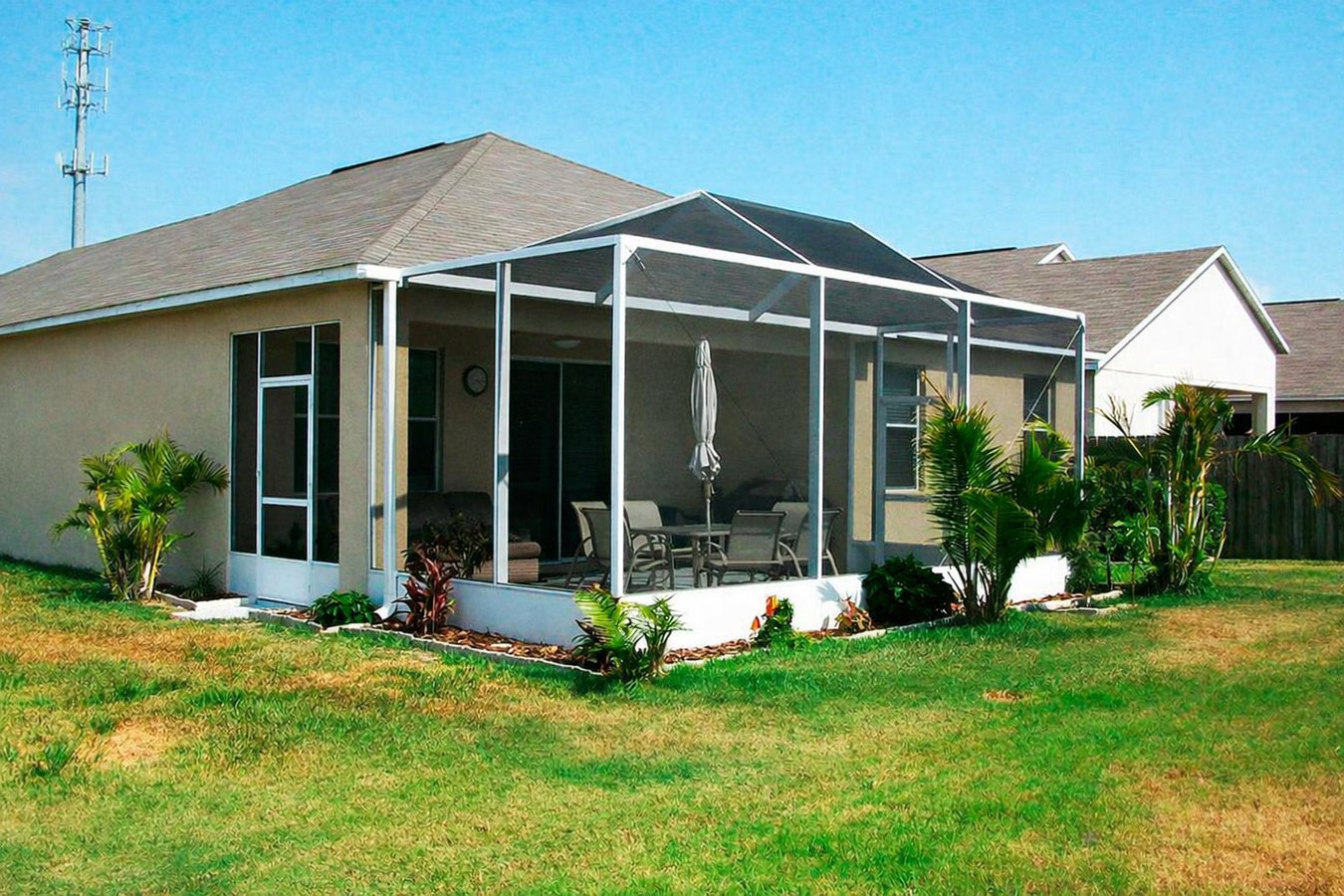
Screen room installation in West Palm Beach means enclosing an existing covered patio with aluminum framing and screen panels, with most standard projects completing in two to three days of on-site construction once the permit is approved.
A screen room is not a sunroom - it is open to the air, so it stays cooler naturally than a glassed-in room and costs considerably less than full enclosure. What it gives you is freedom from insects, protection from direct sun and light rain, and a shaded space you can actually use in the evenings. West Palm Beach averages around 233 sunny days a year and has a year-round insect season - which makes a well-built screen room a practical investment here rather than a seasonal nicety. Homeowners who want more climate control down the road can start here and upgrade to a patio enclosure later - the slab and structure work carries over.
Because Palm Beach County sits in a high-wind zone, every screen room built here must meet specific structural standards - heavier framing, engineered anchor points, and permit drawings reviewed by the city. That requirement adds a layer to the process, but it also means the structure will hold up when a storm rolls through.
If mosquitoes or no-see-ums are ending your evenings on the patio, a screen room is the most direct solution. West Palm Beach's warm, humid climate means insect season runs year-round, and no amount of spraying gives you the consistent relief that a properly screened enclosure does. If you find yourself avoiding your own backyard in the evenings, this investment changes how you live in your home.
Many West Palm Beach homes have a covered concrete slab out back that was built with the house but never enclosed. If that space sits empty because it is too buggy, too exposed, or not comfortable enough to spend time in, a screen room is the most cost-effective way to turn it into something you will actually use. You already have the slab and the roof overhang - the screen enclosure is the missing piece.
South Florida's intense sun and frequent afternoon rain are hard on outdoor furniture, cushions, and flooring. If you are replacing patio cushions every year or two, a screen room blocks direct UV exposure and keeps rain off the space. The shade it provides also makes the area noticeably more comfortable during the hottest parts of the day.
If you already have a screened porch or lanai with torn panels, shifted frames, or gaps where insects are getting through, repeated repairs may be less cost-effective than a full replacement. West Palm Beach's climate degrades screen materials faster than drier regions, and a structure that has been through several hurricane seasons may have compromised anchor points that are not visible from the surface.
We build new screen room enclosures around existing patios and replace or rebuild damaged existing structures. For homeowners in West Palm Beach considering their options, we can compare a screen room against a full patio-to-sunroom conversion so you can make the right call for your budget and how you want to use the space. If you would also like solid wall coverage or climate control, we can show you how a screen room footprint can be expanded into a full patio enclosure later without losing the work already done.
Every project begins with an on-site visit where we measure your space, assess the condition of the existing slab, and walk you through mesh and frame color options. We provide a written estimate with the full cost - including permits, slab assessment, and any prep work - before anything is scheduled. No surprises after the project starts.
Best for homeowners with a solid concrete patio who want to enclose the space quickly and cost-effectively without new foundation work.
Suits homeowners with an aging or storm-damaged enclosure that needs to be brought up to current Palm Beach County wind-load standards.
Ideal for homeowners who have tried standard screen before and found it does not block the tiny gnats common in Palm Beach County's coastal climate.
For homeowners whose existing concrete needs repair or extension before a screen room frame can be safely anchored - handled as a single coordinated project.
West Palm Beach averages around 233 sunny days per year, and the mild winters mean residents use outdoor spaces in every month of the year. This is not a region where a screen room sits empty for half the year - it is a space you will likely use almost daily. That makes the investment more worthwhile here than in northern climates. Homeowners in Riviera Beach and Palm Springs face the same coastal conditions - salt air, high humidity, and year-round insect pressure - and the same wind-load construction requirements that apply across Palm Beach County.
Palm Beach County's warm, humid climate also supports a dense population of biting insects, including no-see-um gnats that pass right through standard screen mesh. Many West Palm Beach homeowners specifically request a finer mesh weave to keep these insects out - a detail worth discussing before you finalize any design. On the structural side, Palm Beach County requires screen room framing to meet high-wind engineering standards because of the area's hurricane exposure. You can review the wind-safety standards that apply to all Florida residential construction at the Florida Building Commission. Older West Palm Beach homes from the 1950s through 1980s also frequently have existing slabs that need a professional assessment before a frame can be safely anchored.
We respond within one business day to schedule your free site visit. The conversation takes ten to fifteen minutes - we ask about your space, your HOA situation, and your timeline so the visit is focused and useful.
We come to your home, measure the space, check the slab condition, and walk you through frame colors and mesh options. Within a few days you receive a written estimate that breaks down the full cost - no items hidden in the fine print.
We handle the City of West Palm Beach building permit application and prepare your HOA submission if your neighborhood requires one. This step typically takes two to four weeks. You do not need to call any government offices - we manage it.
Most standard screen rooms are built in two to three days on-site. A city inspector visits to verify the work meets code. After the final sign-off, we clean up completely and leave you a copy of the permit closeout - an important document for your home records.
Free estimate, written quote, no pressure. We respond within one business day.
(561) 954-1833Every screen room we build is designed and permitted to meet Palm Beach County's wind-load requirements. We do not use residential-grade hardware or skip the engineering drawings. The permit inspection confirms the structure is safe - and your homeowner's insurance coverage is not jeopardized.
We know that standard screen mesh does not work for Palm Beach County's insect population. We offer fine-mesh options and walk you through the trade-offs between mesh types before you decide. You get the insect protection you actually expected - not a screen that lets gnats through.
We inspect your existing concrete before writing the estimate. Many West Palm Beach homes from the 1960s through 1980s have slabs that need reinforcement before a screen room frame can be safely anchored. If your slab needs work, you know the cost upfront - not as a surprise after demolition starts.
We submit the City of West Palm Beach building permit application and prepare the HOA architectural review package on your behalf. You can verify that your contractor holds a current Florida license at the Florida DBPR license lookup.
These practices add up to a finished screen room that is fully permitted, built to last in South Florida's climate, and documented properly so there are no surprises if you ever refinance or sell the home.
If you want a fully enclosed, climate-controlled space rather than an open-air screen room, a patio-to-sunroom conversion is the next step up.
Learn MoreFull glass-and-frame enclosures that offer weather protection and climate control while keeping the feel of an outdoor-adjacent space.
Learn MorePermit season fills up fast - lock in your start date before the queue grows.